
Planning a group sketch trip for digital artists who hate driving
Plan a group sketch day in the mountains: what to ask a charter company, how to pack a tablet for cold and glare, and how to keep the day about drawing.
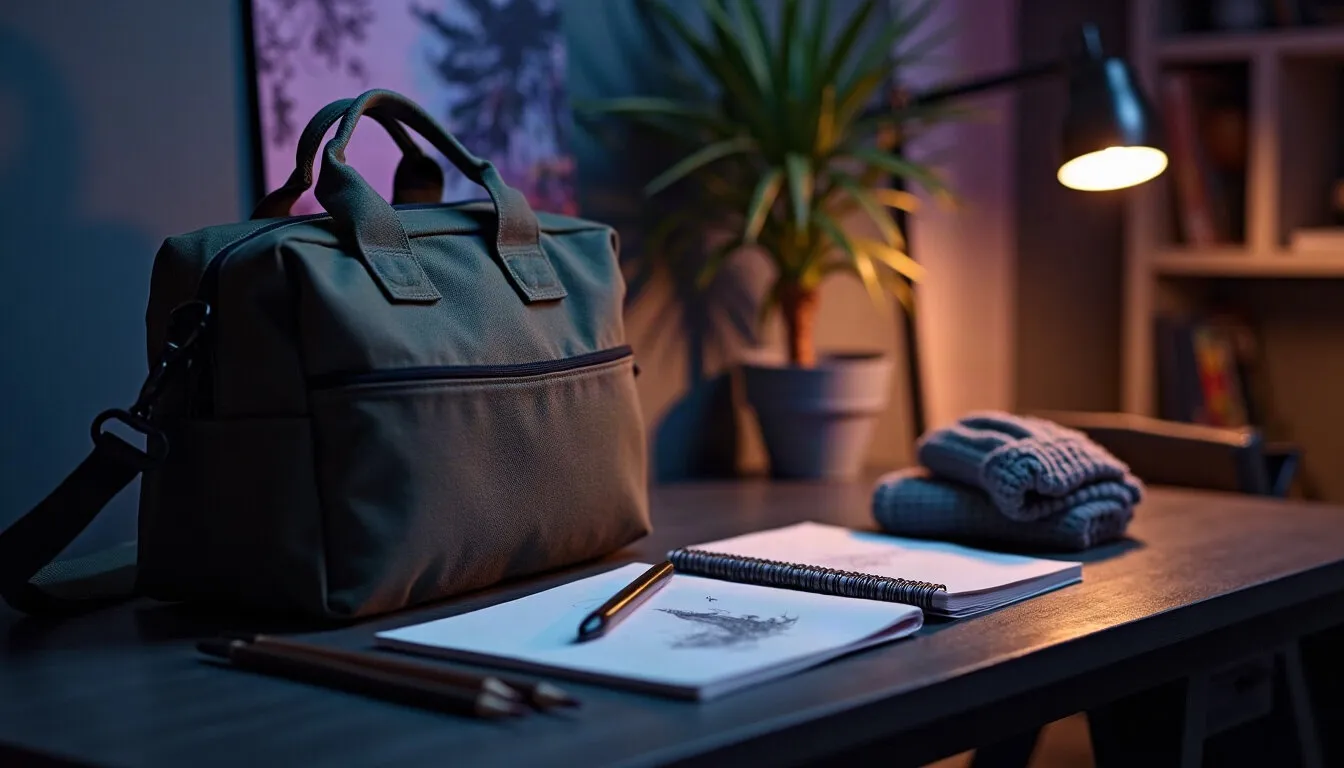
The best sketch outing I ever had started at a kitchen table at dusk, with six people, one map and a lot of opinions about who would drive. By the end of the evening nobody wanted to, and the trip nearly didn't happen.
Group sketch days in the mountains are worth the effort, but the getting there can swallow the fun. What should you ask when looking at charter bus rental Denver options for a drawing group, and how do you pack so the day is spent drawing instead of hunting for a charger? This piece walks through the plan, the kit and the small things that keep a group of artists happy from the first stop to the ride home.
Why the getting there matters so much
A sketch day has a fragile shape. You need enough time at each spot to settle in, a little time to wander, and enough energy left to draw well. Long drives eat all three. So does splitting a group across four cars, because somebody always gets lost, somebody needs gas and somebody arrives just as everyone else is packing up.
Traveling together fixes most of that. One vehicle means one arrival time, one departure and nobody stuck behind the wheel on mountain roads while everyone else looks at the view. For a club, a class or a group of friends heading toward places like Breckenridge, Vail or Aspen, a hired coach with a professional driver turns the drive into part of the outing. You can talk, swap brushes, look at each other's sketchbooks and, if your stomach agrees, even draw a little.
It also changes who can come. People who don't drive, don't like mountain driving or don't own a car can join without needing a favor. A drawing group gets better when it is wider.
Pressure check
- Light touch: ask the group early whether anyone would rather not drive.
- Press firmly: plan the day around drawing time at each stop, not around the road.
- Lift off: a perfect itinerary. Two good spots beat five rushed ones.
Questions to settle before you book
Every transport company has its own way of doing things, so the questions matter more than the answers I could guess at. Here is what I would ask, roughly in order:
- How many seats do we need, and is there room for bags, folding stools and a few small easels?
- Can the coach wait at a stop for a set time, or does it drop off and come back later?
- Where can it park near each place we want to draw, and how far will we walk?
- What happens if snow or a storm changes plans in the mountains?
- Are there power outlets or USB ports on board? (Useful for tablets, but don't build the day around it.)
- What is the policy on food and drinks on board?
That fifth question matters more to digital artists than to anyone else on the bus. If the answer is yes, wonderful. If it's no, your packing plan below takes care of it. Ask each company directly rather than assuming; a good operator will tell you plainly what the coach has.
For the group, write a one-page plan with the meeting point, departure time, each stop with its drawing time, and the departure time from each stop. Share it as a photo, so it's on everyone's phone without signal.
Packing a kit that survives the ride
Here is where I get particular, because a mountain day is hard on a tablet. Cold drains batteries faster, bright sun washes out screens, and gloves don't work on glass. Pack for those three things and the rest is easy.
My worked example for a full day out, with roughly two hours of drawing at each of two stops:
- A tablet with a full charge, screen brightness set a little lower than usual.
- One fully charged power bank, kept in an inside pocket where your body keeps it warm.
- A stylus with a spare tip, in a small hard case.
- A short charging cable (long ones tangle in bags and catch on seat arms).
- A small sketchbook and two pencils, because a cold battery can quit at the best moment.
- Fingerless gloves, a hat, sunglasses and a light layer for wind.
- A cloth for the screen and a folding stool.
Count the charging: if the tablet lasts a good while on its own and the power bank refills it once, you have two stops covered with room to spare. If you'll draw longer, bring a second bank or alternate with the paper sketchbook. That one small calculation saves a lot of frowning at the battery icon on a cold ridge.
On the bus, keep the tablet in its sleeve and the power bank on you. Don't leave electronics on the dashboard side of the coach or against a sunny window.
Pressure check
- Light touch: lower your screen brightness the night before so you don't forget.
- Press firmly: carry the power bank close to your body in the cold.
- Lift off: a big laptop. A tablet and a sketchbook cover a mountain day.
The small things that make the day
A few details separate a pleasant group outing from a scramble.
Drawing on a moving vehicle is easier than it sounds and harder on the stomach than people expect. Short gesture sketches of passengers' hands or the view through the window work better than detailed pieces. If you feel queasy, stop, look at the horizon and put the tablet away. If motion sickness is a regular problem for you, a doctor or pharmacist can give advice before the trip.
Glare is the other big one. Mountain light is bright and clear, and snow throws it everywhere. Sit with your back to the sun, angle the screen down a little and use a matte screen film if you already have one. A brimmed hat shades the tablet as well as your eyes.
Choosing what to draw at each stop is easier if you agree on a loose theme before you leave. One stop for big shapes (ridgelines, the edge of a forest, a frozen lake), the next for small things (a fence post, a bench, the texture of bark). It stops the group from scattering in ten directions and gives quieter members an easy place to start. Leave room for people to ignore the theme entirely, of course.
For digital work, set up a template canvas at home with two or three layers already named, such as "block-in", "color" and "notes". In the cold you won't want to fiddle with menus, and having the file ready means you start drawing within a minute of sitting down.
Plan a shared moment at the end of each stop. Everybody holds up what they made, phones go round, nobody apologizes. It turns a quiet day of separate drawing into a group day.
Then the ride home. People are tired and happy, the light goes gold over the hills and somebody always starts drawing the person asleep across the aisle. Let them (with permission). Some of the best sketches of the day happen in that last hour.
One last thing: back home, give the tablet time to warm to room temperature before charging it. Cold electronics and fast charging don't like each other.
Pressure check
- Light touch: bring a brimmed hat for screen shade.
- Press firmly: keep drawing on the move short and loose, and stop if you feel unwell.
- Lift off: finishing anything on the day. Sketches are notes for later.
Before you put the pen down
A group sketch trip works when the travel is handled for you and the kit is packed for cold, glare and long hours away from a socket. Ask the transport company plain questions, write a simple one-page plan and give each stop enough time to actually draw.
Today, put your tablet, stylus, power bank, a short cable and a small sketchbook into one bag and weigh it in your hand. If you would happily carry it up a hill, it's ready. If not, take one thing out.

Yuna Castellan
Yuna paints mostly on an iPad, on trains, at kitchen tables and in cafes. She covers mobile drawing, brushes, screen films and getting a stylus to feel like something you want to hold.
More from the same shelf

Preparing digital art files for prints, step by step
Color profiles, soft proofing, CMYK, bleed and test prints, in the order I do them, so the print that arrives looks like the painting you made on screen.
Open the piece →
Setting up a patio for drawing outside without a wobbling chair
How to size, shade and place a patio corner for outdoor drawing, so the chair stays level, the screen stays readable and the gear gets inside fast.
Open the piece →
Building a daily sketch habit that survives a busy week
Small daily targets, short warm-ups, a prompt list and a simple tracker: the mistakes I made keeping a sketch habit, and what to do after missing a few days.
Open the piece →