
Setting up a patio for drawing outside without a wobbling chair
How to size, shade and place a patio corner for outdoor drawing, so the chair stays level, the screen stays readable and the gear gets inside fast.
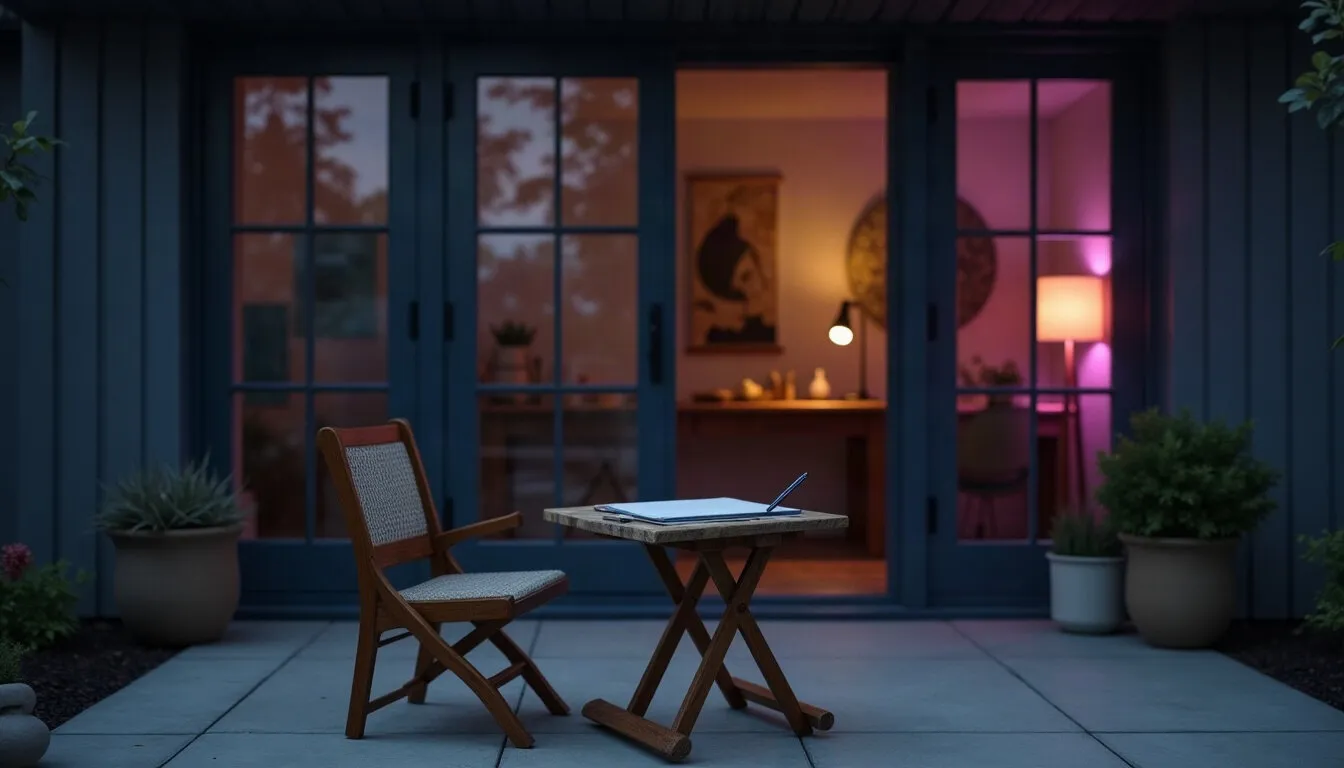
My outdoor drawing spot used to be a folding chair on uneven grass, a pen tablet balanced on my knees and a cable running back through the kitchen window. The chair rocked, the tablet slid and I spent more time fixing things than drawing.
A level, hard surface changes that. If you are planning a new patio in Middle Tennessee, what should you ask when looking at concrete Franklin TN installers about a corner made for drawing? This article covers what an artist actually needs from an outdoor drawing spot, how to size it, and which details are worth settling before anyone mixes anything.
What an outdoor drawing spot has to do
Drawing outside is mostly about three things: a steady place for the table and chair, shade you can control, and a short trip back indoors when the weather turns. Everything else is decoration.
The steady part is where a patio earns its keep. A rolling or folding chair needs a flat surface, and so does a small table holding a tablet, a sketchbook and a cup of something. Grass shifts, gravel scatters and pavers on a soft base can rock at one corner. A slab that drains properly and sits level gives you the same footing every time you carry the gear out.
Shade is the second part. Screens and glossy pen displays wash out in direct sun, and paper glares. In a humid place with hot summers and frequent afternoon storms, like much of Middle Tennessee, you also want shelter from rain and a spot that dries quickly after it. That pushes the patio toward the house, or toward a tree, or under some kind of cover.
The trip back indoors is the third. Expensive gear and sudden rain don't mix. A drawing spot a few steps from a back door gets used. One at the far end of the yard gets visited twice a summer.
Pressure check
- Light touch: sit where you think the patio should go at different times of day and watch the shade move.
- Press firmly: keep the drawing spot close to a door you can reach with your hands full.
- Lift off: matching the patio to an outdoor kitchen you may never build.
Sizing the slab around the way you draw
This is where I count things, because a patio that turns out too small is a regret I hear often. Lay out your gear on the living room floor first and measure it.
Here is the worked example from my own setup. A small folding table is about 24 by 36 inches. My chair needs about 30 inches behind the table edge to pull back and stand up without the back legs dropping off the edge. Add a side spot for a bag or a small easel, another 24 inches. Then add room to walk past without squeezing, roughly 36 inches. So:
- Depth: 24 inches of table plus 30 inches of chair space is 54 inches, call it 5 feet.
- Width: 36 inches of table plus 24 inches of side space plus 36 inches to walk past is 96 inches, or 8 feet.
- That gives a drawing zone of about 5 by 8 feet, before anyone else sits outside.
If the patio also has to hold a grill, two other chairs and a dog, that zone is only a corner of it. Draw the whole plan on paper or in your drawing app at a simple scale, with your drawing corner marked in a different color. When you talk to an installer, that plan shows exactly where you want the flat, shaded, close-to-the-door corner to be.
Think about the slope too. A patio has to shed water away from the house, so it is never perfectly flat. That is fine for a chair, but tell the installer you plan to set up a table and chair in one corner and ask how the slope will feel there. A good contractor will explain the drainage and how they handle it on your yard.
Pressure check
- Light touch: tape out the drawing zone on the lawn with string and stakes and sit in it.
- Press firmly: measure your real gear and chair pull-back before agreeing to a size.
- Lift off: squeezing a few extra square feet out of the drawing corner. Comfort beats size past a point.
Shade, cover and where the light falls
A patio facing north or east stays cooler in the afternoon and gives you softer light on the page. One facing south or west gets strong sun when most people have time to draw after work. Neither is wrong, but the west-facing one needs a plan for shade.
Here are the common options, roughly from least to most permanent:
- A large umbrella on a weighted base. Movable, cheap to try, and easy to tilt as the sun swings round.
- A shade sail strung between the house and a post. Lighter than a roof, good at cutting glare, but it needs solid anchor points and comes down in storms.
- A pergola with slats or a fabric top. Gives a frame for climbing plants and a sense of a room.
- A solid roof extension. The most shelter from rain, and a structural job for licensed builders.
If you want a covered spot, mention it at the patio stage. Posts for a pergola or a roof may need footings, and anything attached to the house or carrying weight belongs with a qualified contractor and a check with the local building department. It is much easier to plan for those posts before the slab goes in than to cut into it afterwards.
For drawing, the test I use is simple. Take a plain white sheet of paper outside at the time you usually draw and hold it where your tablet will sit. If you squint at it, you need more shade.
Small things that make the corner work
Once the slab is in, a few details decide whether you draw there or just look at it.
Power is the first. Running an extension cord through a window is a tripping hazard and a poor idea in damp weather. If you want an outdoor outlet near the drawing corner, that is work for a licensed electrician, who will fit a weather-rated outlet with the right protection. Until then, charge your tablet indoors and bring it out on battery. Most tablets and phones last a long sketching session if you dim the screen a little.
The surface is the second. A broom finish gives grip but can snag the feet of a light folding table; a smoother finish is kinder to chair legs but can be slick when wet. Ask what finishes the installer offers and how each one behaves in rain. A rug made for outdoor use over the drawing corner also softens the hard edge.
Storage is the third. A small lidded bench by the back door holds a cushion, a towel and a clip-on lamp for evenings. Keep the tablet and pen indoors, always. Humid nights and morning dew are hard on electronics and on paper.
Finally, think about the view. A patio is also a subject. The edge of a slab against grass, a pot of herbs, a fence line in late light: these are all things worth drawing. Put the chair so it faces something you like looking at.
Pressure check
- Light touch: keep a dry towel and a tote by the back door so packing up in a shower takes seconds.
- Press firmly: leave outdoor wiring and anything structural to licensed professionals.
- Lift off: weatherproof covers for your tablet. Just don't leave it outside.
Before you put the pen down
An outdoor drawing spot needs a level surface, controlled shade and a short walk back indoors. The rest is taste. Count your gear, give the chair room to move, plan the cover before the slab goes in and let professionals handle the wiring and anything that holds weight.
Today, take your table and chair out to the spot you have in mind, tape a sheet of paper where the screen would go and draw for 15 minutes. Write down what annoyed you. That list is the most useful thing you can bring to a conversation with a patio installer.

Darius Fenn
Darius moved from pencil sketchbooks to a small pen tablet years ago and kept going. He writes the hardware pieces here: pen tablets, pen displays, nibs, drivers and how to buy second hand without regret.
More from the same shelf

Preparing digital art files for prints, step by step
Color profiles, soft proofing, CMYK, bleed and test prints, in the order I do them, so the print that arrives looks like the painting you made on screen.
Open the piece →
Planning a group sketch trip for digital artists who hate driving
Plan a group sketch day in the mountains: what to ask a charter company, how to pack a tablet for cold and glare, and how to keep the day about drawing.
Open the piece →
Building a daily sketch habit that survives a busy week
Small daily targets, short warm-ups, a prompt list and a simple tracker: the mistakes I made keeping a sketch habit, and what to do after missing a few days.
Open the piece →