
Sharing a garage studio with an electric car charger
How to map a garage studio before an EV charger goes in, what to tell the electrician about your gear, and the habits that keep the room usable.
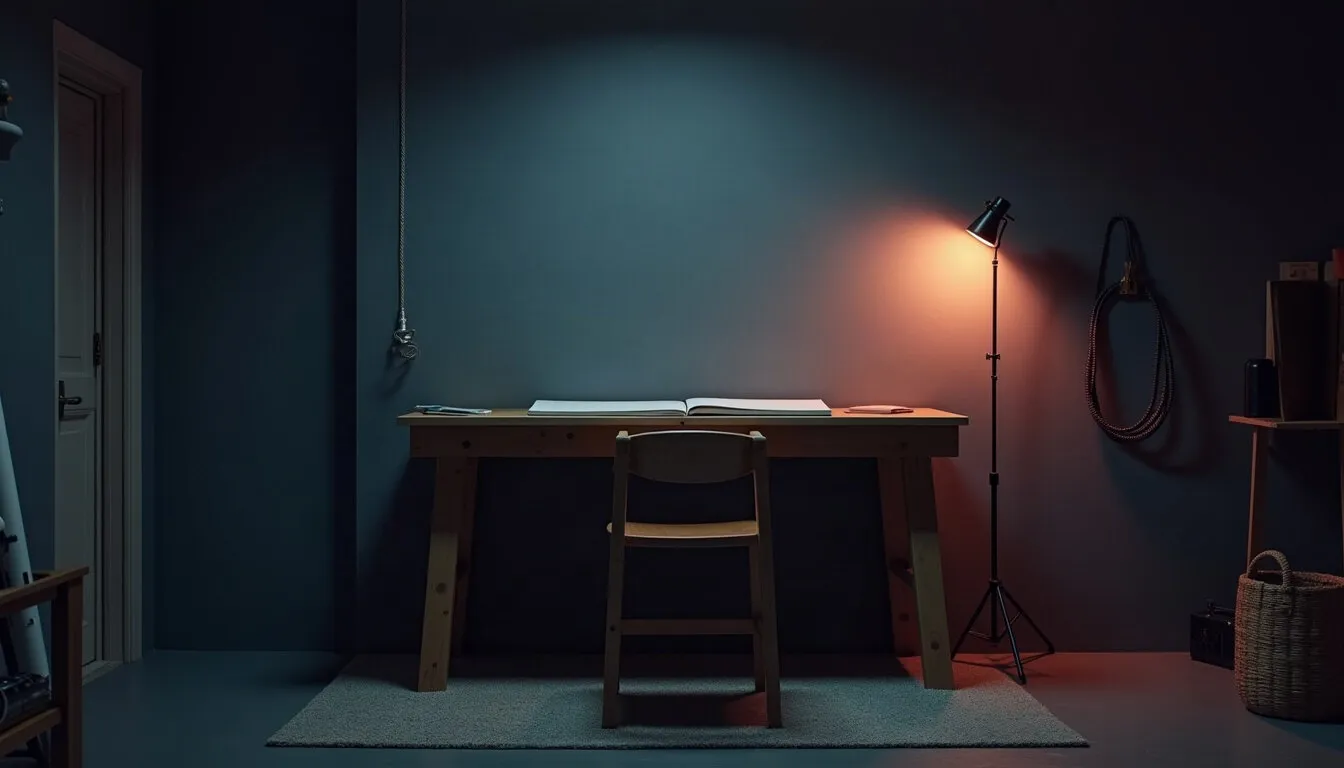
The garage studio is a fine tradition. A worktable against the back wall, a pen display, a lamp clamped to a shelf and, on cold evenings, a small heater at your feet. Then a household decides to buy an electric car, and the same garage now has to charge it.
That change deserves some planning before anyone plugs anything in. Pages on Colorado Springs EV charger installation are a sensible starting point for the electrical side, since that work belongs with a licensed electrician. What follows is the artist's half: how to arrange a garage so drawing and charging can share it, what to tell the electrician about your gear, and which small habits keep the studio pleasant.
Two jobs in one room
A garage studio and a charging bay want different things. The studio wants steady light, a comfortable temperature, dust kept down and a clean place for paper and electronics. The charger wants a dedicated circuit, a sensible cable run to wherever the car parks, and clear space around the unit and the cable.
The main question is power. A home charger is a large, continuous load, and an electrician will normally put it on its own circuit. Your studio gear (computer, pen display, a monitor or two, lamps) is modest by comparison, but a space heater is not. In a place with cold, sometimes snowy winters like Colorado Springs, a heater in a garage studio is common, and it is exactly the kind of load that trips a breaker when it shares a circuit with too much else.
None of this is for you to calculate or rewire. What you can do is describe, clearly, everything that will run in that room and when. That description helps an electrician plan the circuits properly, and it keeps your studio from becoming the thing that gets squeezed.
Pressure check
- Light touch: make a list of every device in the studio that plugs in, including chargers and the heater.
- Press firmly: let a licensed electrician decide circuits, panel capacity and where the charger goes.
- Lift off: reading charger specifications yourself. That is the electrician's homework.
Mapping the garage before the electrician visits
I like to walk the room from the light source inward, so start at the garage door and windows and work toward the back wall.
- Mark where the car parks and where its charging port sits on the vehicle. That decides which wall the charger likely ends up on.
- Mark your worktable, chair and the shelf or cabinet that holds paper and spare gear.
- Mark existing outlets and lights roughly (no need to open anything).
- Draw a dotted line for the charging cable from the likely charger spot to the car's port.
- Note where you sit, which way you face and where the lamp sits.
A rough sketch on paper is enough, or a quick plan in your drawing app. Here is the worked example from a two-car garage of fairly ordinary proportions: the car parks on the left, port on the front left of the vehicle; the worktable sits along the back wall on the right side. The cable line runs along the left wall and never crosses the path from the house door to the desk. If the plan had the cable crossing that path, the charger position would need a rethink, because a cable on the floor between you and your desk will be tripped over with a mug in hand.
Bring that sketch to the electrician along with your device list. Tell them which items run at the same time on a winter evening, for example: computer, pen display, two lamps and the heater, while the car charges overnight. They can then explain what the panel can handle and what, if anything, needs upgrading.
Keeping the studio corner livable
With the power planned, the studio side becomes a question of comfort. Garages are dusty, cold in winter, warm in summer and sometimes smell of the car. A few decisions help.
| Problem | What helps | Who handles it |
|---|---|---|
| Cold evenings | a heater on a circuit the electrician has planned for it, a rug under the chair | you, with the electrician's advice |
| Dust on screens and paper | a closed cabinet for paper, a cover for the display when you stop | you |
| Glare from the garage door windows | a blind or film on the glass, a lamp aimed away from the screen | you or a window installer |
| Flat overhead light | a dedicated task lamp at the desk, extra lighting circuits if needed | you, and an electrician for new fixtures |
| Car fumes | never run the engine in the garage; this applies to any car | everyone |
The table is a set of habits, not a renovation. The only lines that involve new wiring go to the electrician, and that keeps the list short.
Lighting deserves a second look. Many garages have one or two overhead fixtures that make everything look flat and slightly blue. For drawing, you want a consistent task lamp at the desk, aimed so it doesn't reflect in the screen, plus enough general light to move around safely. If you want more fixtures or a dimmer, ask the electrician while they are already working on the charger.
Pressure check
- Light touch: add a rug and a closed cabinet for paper this week.
- Press firmly: keep the charging cable's path away from the route to your desk.
- Lift off: fancy garage flooring. A rug under the chair does most of the work.
Small details people forget
A few things only show up after a month of sharing the room.
Surge protection for the studio gear is one. A pen display and a computer are expensive to replace. Ask the electrician what protection makes sense for the studio outlets and whether whole-home protection is an option. A quality surge-protecting strip is a good everyday step too, but it does not replace a proper look at the wiring.
Noise and light from the charger are another. Some units have indicator lights that glow at night. If the charger is in your line of sight while you draw, a small change in position, agreed with the electrician before installation, saves months of a blinking light in the corner of your eye.
Then there is winter. A cold garage is hard on a sketchbook (paper picks up moisture when warm air meets it) and unpleasant for your hands. Keep paper in a closed cabinet and let the studio warm up a little before you start. If you notice condensation on windows or surfaces, that is a sign to talk to someone about ventilation.
And finally, your own comfort. Hands that are cold draw stiffly. Fingerless gloves are a long-standing artist's trick for a reason. For any ongoing ache in the wrist or hand, see a doctor or physiotherapist rather than pushing through.
Questions people ask
Can I plug the space heater into the same outlet as my computer?
Ask your electrician. It depends on how the circuits in your garage are wired and what else shares them. They can tell you which outlets suit which loads.
Will charging the car affect my pen display?
A charger installed properly on its own circuit should not interfere with normal studio gear. If you notice flickering lights or tripped breakers, stop and call the electrician.
Should I move the studio indoors instead?
Sometimes that is the better answer, especially if the garage is very cold or the charger has to sit right beside the desk. Draw both layouts and compare them honestly.
Before you put the pen down
A garage can hold a drawing desk and a car charger, as long as the power is planned by a professional and the room is arranged around both. Your part is a clear map of the space and an honest list of what runs and when. Everything electrical goes to a licensed electrician.
Today, sketch the garage from the door inward and write your device list in the margin. Put it somewhere you will find it when the electrician arrives.

Margo Ellery
Margo cares about what surrounds the drawing: monitors, color calibration, desk height, lamps and the books she keeps returning to. She writes the studio and setup guides.
More from the same shelf
Preparing digital art files for prints, step by step
Color profiles, soft proofing, CMYK, bleed and test prints, in the order I do them, so the print that arrives looks like the painting you made on screen.
Open the piece →
What your studio walls are doing to your colors
A colored wall tints how you judge color on screen. Run a simple gray-step test, then pick a neutral, low-glare finish for the wall behind your desk.
Open the piece →
A drawing desk setup that is kind to your wrists
A ten-point desk check for digital artists: desk and chair height, tablet angle, mapping, gloves, light and breaks, with a worked desk height example.
Open the piece →